


Why Is My Refrigerator Running Too Cold?
 February 23, 2026
 Read 9 minutes
 February 23, 2026
Content of the Article
You open the door and find vegetables iced over, drinks forming crystals, and leftovers partially frozen. The immediate concern is understandable – is this harming the compressor, and are you heading toward a costly breakdown?
If your refrigerator is freezing everything, the problem should not be ignored. Overcooling usually means the system is running longer or harder than designed. While the compressor often takes the blame, in reality it is rarely the primary failure. Most cases involve airflow restrictions, control components, or calibration issues. Addressing the cause early helps avoid major refrigerator repair expenses.
In this article, we’ll cover:
- Why your refrigerator may be running too cold
- The most common reasons food starts freezing in the fridge
- What can happen if the issue is ignored
- When it’s time to call for professional refrigerator repair
Why Does a Refrigerator Start Freezing Food?
When a refrigerator freezing food becomes noticeable, it usually signals an imbalance in the cooling system.
A refrigerator operates through a sealed refrigeration cycle. The compressor circulates refrigerant through the evaporator and condenser coils. Heat is absorbed from inside the cabinet and released outside, while cooled air is distributed between the freezer and fresh food compartments.
Temperature sensors continuously monitor internal conditions. Once the set temperature is reached, the control board cycles the compressor off.
Under normal conditions, the unit runs in controlled intervals. If your refrigerator is running too cold, it means the cooling cycle isn’t shutting off at the right time.
This typically indicates:
- Extended or continuous compressor operation
- Inaccurate temperature feedback
- Improper airflow between compartments
Excessive freezing isn’t normal performance — it’s a regulation issue that should be addressed before it leads to food waste or mechanical strain.
The Main Reasons Your Refrigerator Is Running Too Cold
In most cases when a fridge is running too cold, conditions are tied to regulation components rather than compressor failure. The cooling system may be functioning, but control or airflow problems cause temperatures to drop below safe levels.
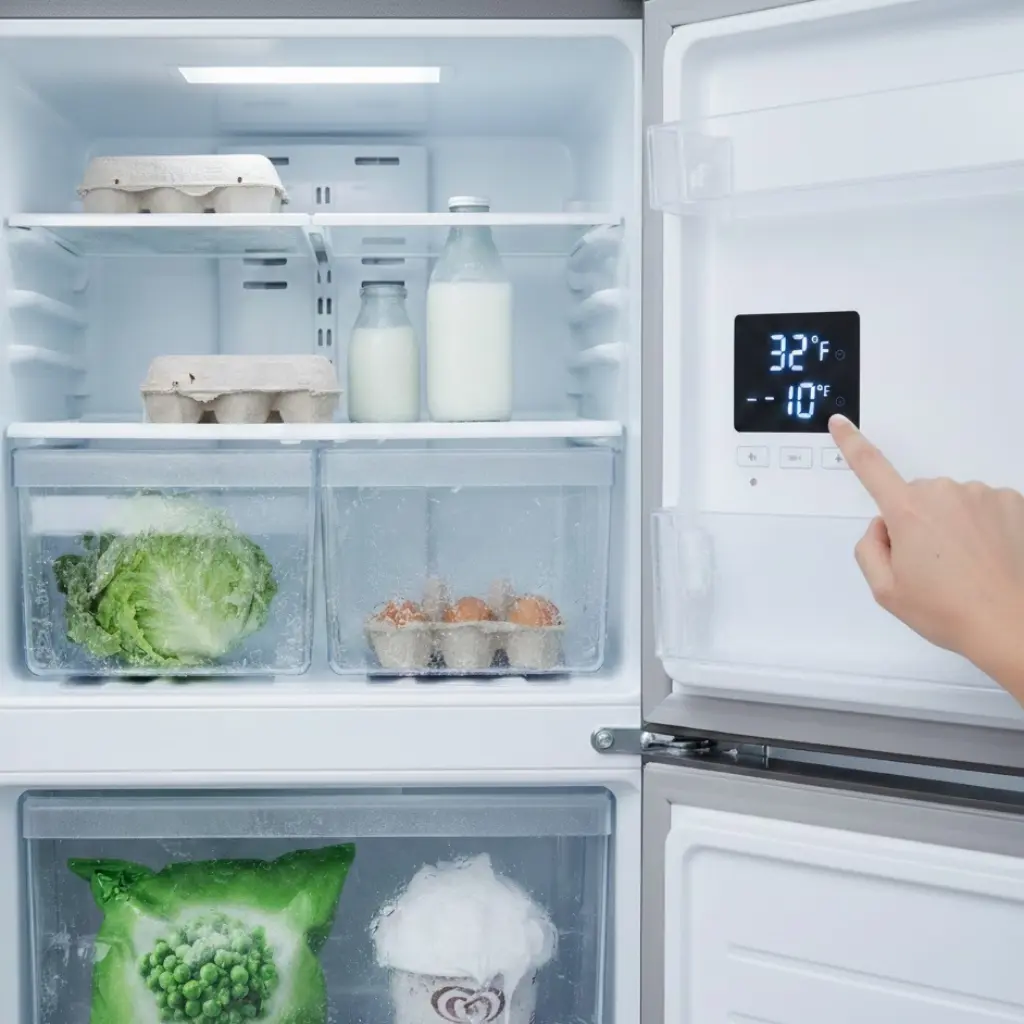
Temperature Settings Are Set Too Low
Incorrect settings are one of the most overlooked causes.
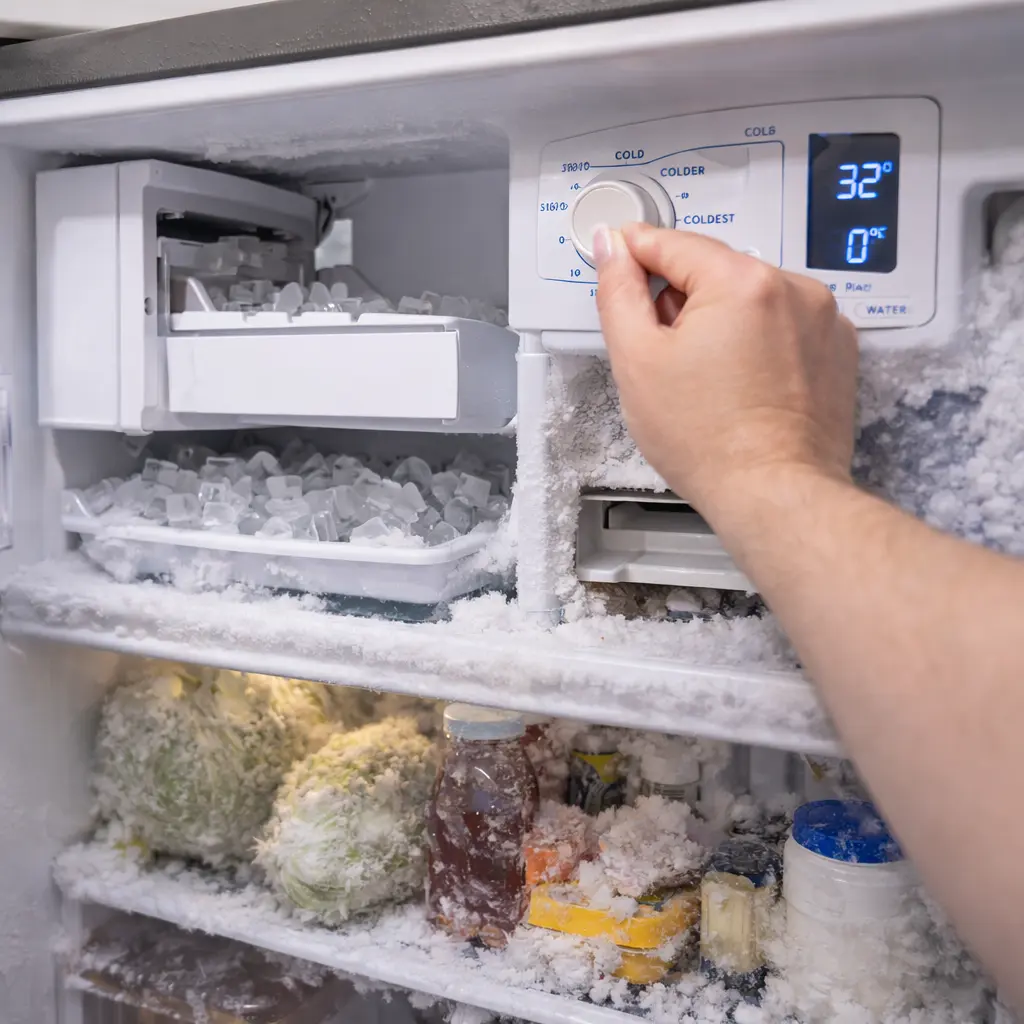
Control dials can be bumped accidentally. Digital panels may reset after a power interruption. When the temperature target is lowered beyond recommended levels, the compressor runs longer to achieve that setting.
This extended runtime can result in refrigerators freezing food, especially items placed near rear vents or cooling outlets.
Recommended settings are typically 37–40°F for the fresh food section and 0°F for the freezer.
Faulty Thermostat or Temperature Sensor
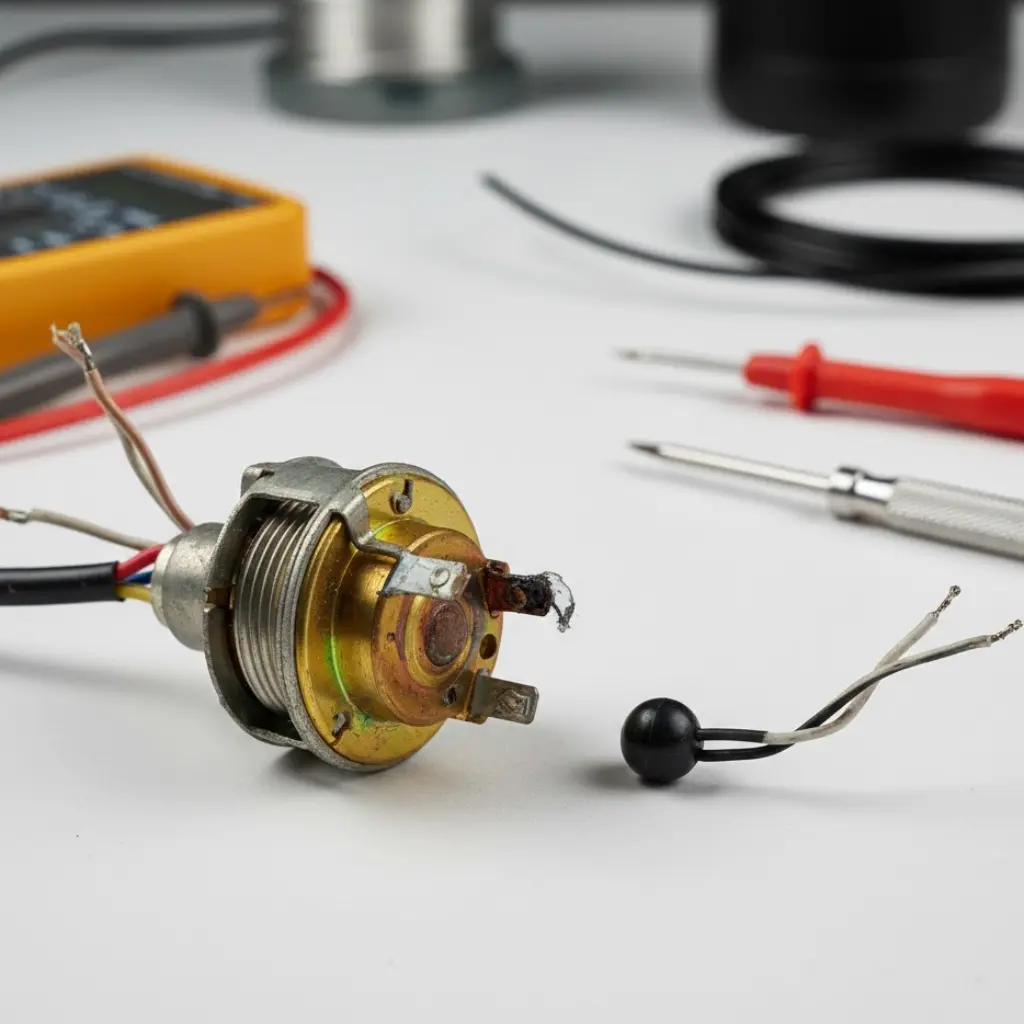
A defective thermostat or thermistor may misread the internal temperature.
If the control system does not recognize that the desired level has been reached, it will not signal the compressor to stop. Continuous operation follows.
Possible outcomes include:
- Persistent cooling cycles
- Uneven frost accumulation
- Accelerated compressor wear
If your refrigerator is freezing despite the correct settings, a failed sensor is a strong possibility. Prolonged operation under these conditions increases mechanical stress and may lead to premature system failure.
Blocked Air Vents Inside the Refrigerator
Air circulation is essential for stable temperature control.
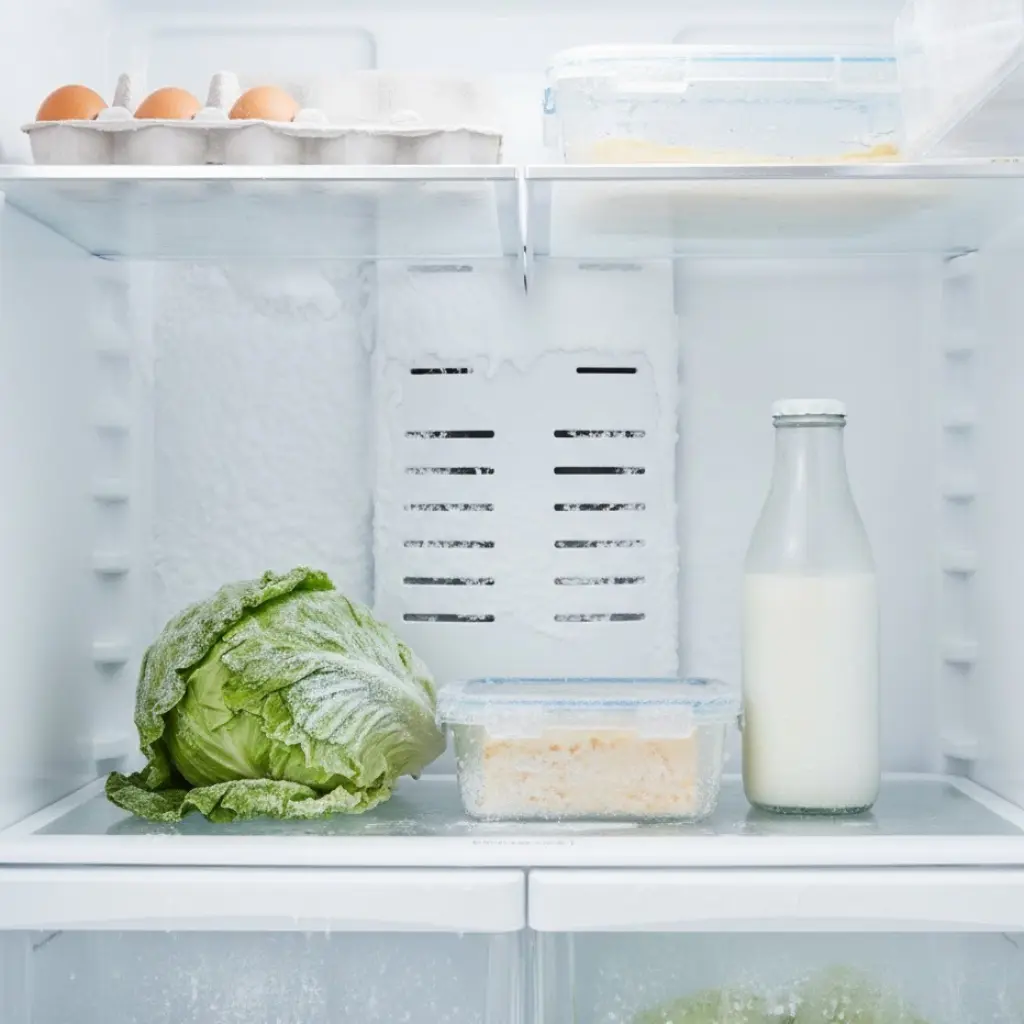
Cold air travels from the freezer through designated channels into the refrigerator compartment. When vents are obstructed by food containers, packaging, or ice buildup, airflow becomes restricted.
This can produce localized freezing near the back panel while other shelves remain inconsistent.
Common indicators include:
- Frost forming along the rear wall
- Items near vents freezing first
Many fridge freezing everything complaints are resolved by restoring proper airflow.
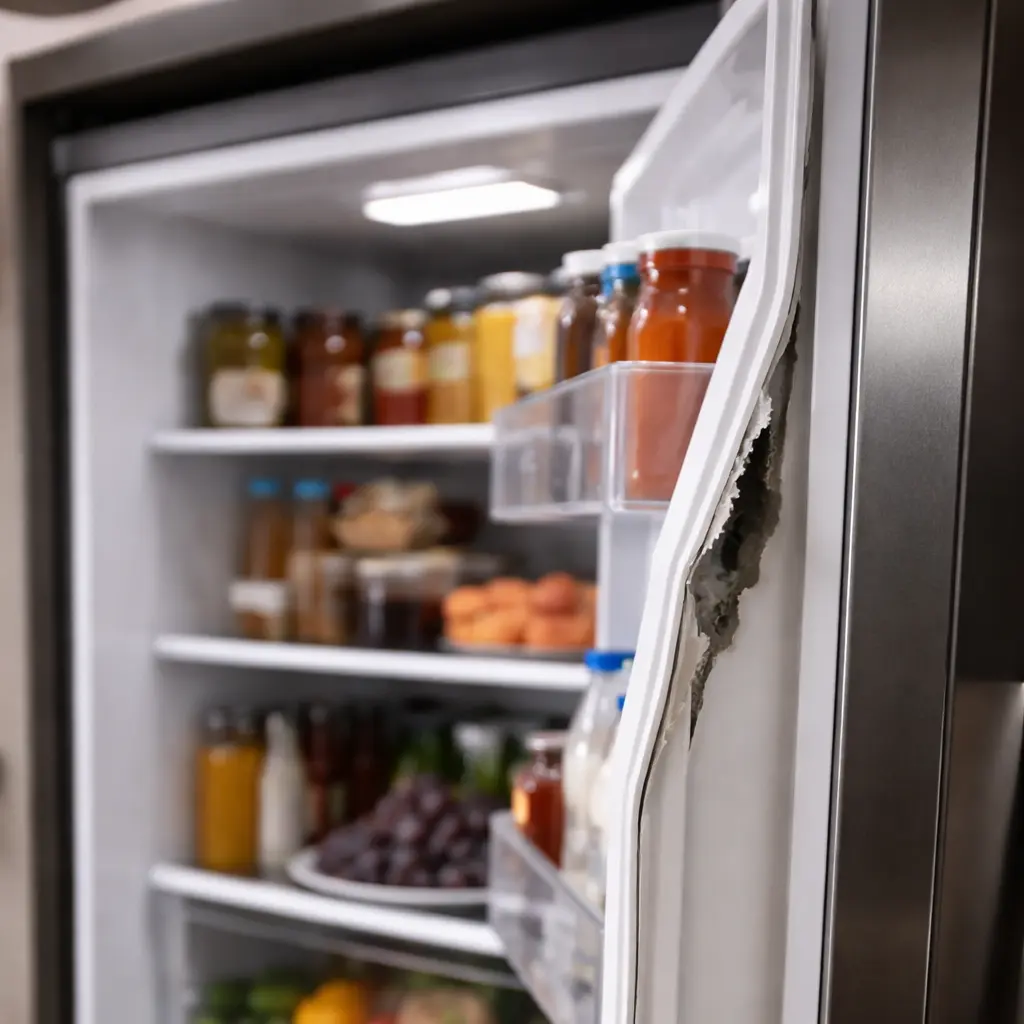
Damaged or Worn Door Gasket
The door gasket maintains an airtight seal.
If the seal weakens, outside air enters the cabinet. The system compensates by running longer cycles to stabilize temperature. That extended operation can unintentionally overcool certain zones.
Seal deterioration is not always obvious. Even slight warping can trigger a refrigerator too cold pattern due to repeated compensation cycles.
Ice Maker or Freezer Settings Affect Refrigerator Temperature
The freezer and refrigerator sections share airflow and temperature balance.
If the freezer is set excessively low, surplus cold air may transfer into the fresh food compartment. A malfunctioning damper assembly can also remain open, allowing continuous airflow between sections.
In some models, an ice maker running excessively or failing to cycle properly can influence internal temperature patterns.
This interaction explains why fridge freezing everything may originate from freezer-related adjustments rather than the refrigerator section itself.
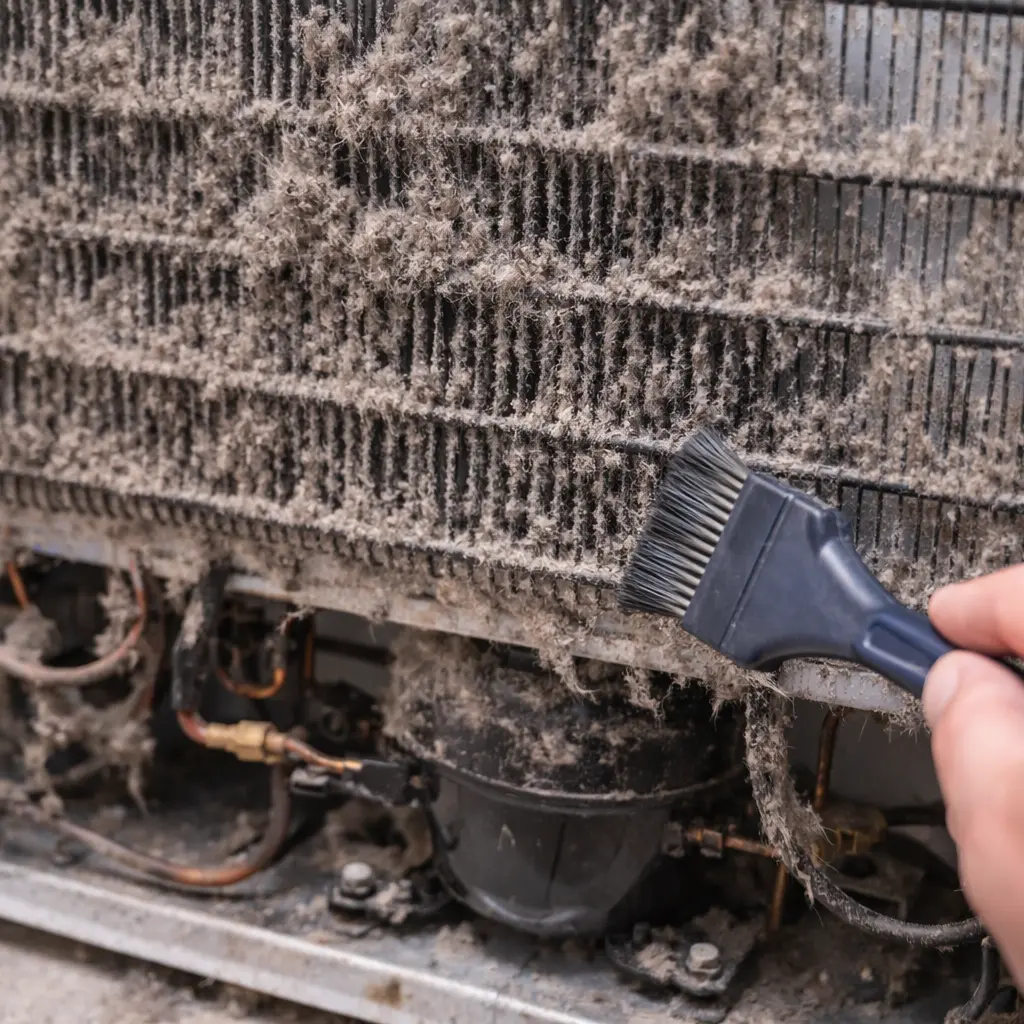
Dirty Condenser Coils
Condenser coils release heat removed from the interior.
When coated in dust or debris, heat exchange efficiency drops. The compressor must run longer to achieve cooling targets.
Extended runtime can result in refrigerator freezing food because the system struggles to regulate cycles properly.
Routine coil cleaning improves efficiency and reduces strain on critical components.
What Happens If the Problem Is Ignored
Allowing a refrigerator freezing food issue to continue can trigger a chain reaction:
- Increased energy consumption
- Ongoing compressor strain
- Frost buildup that restricts airflow
- Repeated food spoilage
- Potential compressor failure
The longer the system operates out of balance, the greater the risk of serious damage.
Addressing the root cause is far less expensive than replacing a failed compressor.
If your refrigerator continues running too cold after basic checks, professional diagnostics are recommended.
Contact Prime Appliance Repair for expert refrigerator repair. Prompt service and accurate troubleshooting protect your appliance and help prevent costly component replacements.
 Call Us
